Because We Need Each Other
Because We Need Each Other is an innovative and emergent project dedicated to getting curious about the impacts of Cancel Culture.
We aim to transform both ourselves and our movements towards a culture of belonging, through relational healing, reflective analysis, and practical skill-building.
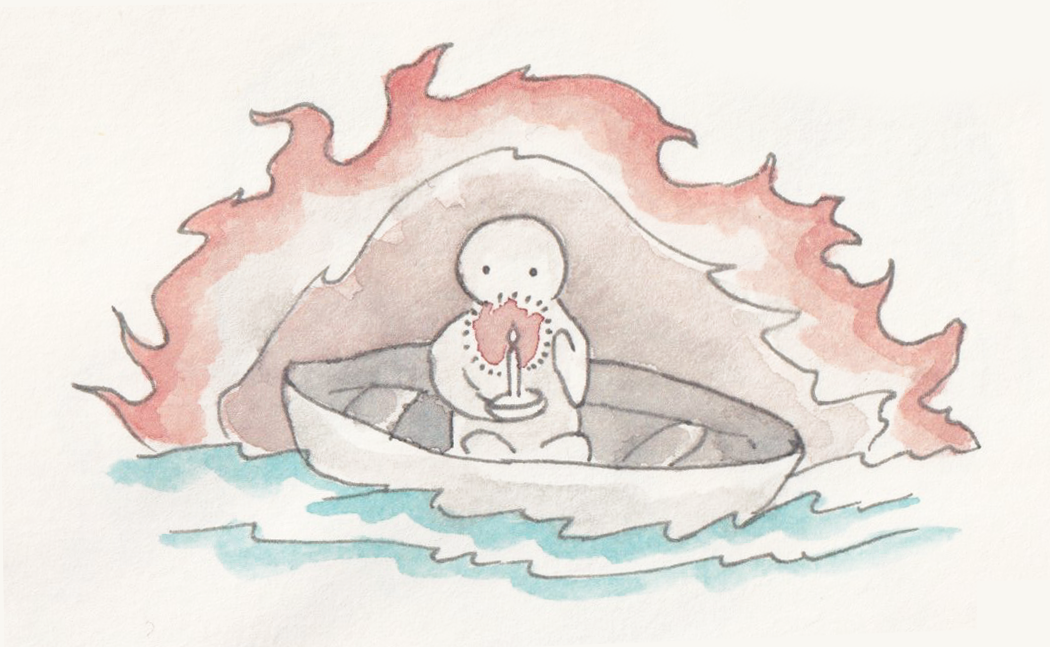
A lot is in motion right now, with whirlwinds, intense attacks, and trigger moments. It’s stressful yet activating, disheartening yet inspiring. The complexity can bring us together, but at times, it threatens to pull us apart.
Over the last decade, we have experienced a confluence of call-out culture, cancel culture, unhealthy identitarianism, toxic social media, and an increasingly polarized society. Many leaders have been taken down by the very movements that they have been serving for years, and campaigns and organizations have been slowed, or shut down entirely, because of internal conflicts.
These dynamics have led to the fracturing of connections across movement spaces and a breakdown in many meaningful relationships. It seems as though every sector of social change movements has been negatively impacted, in one way or another.
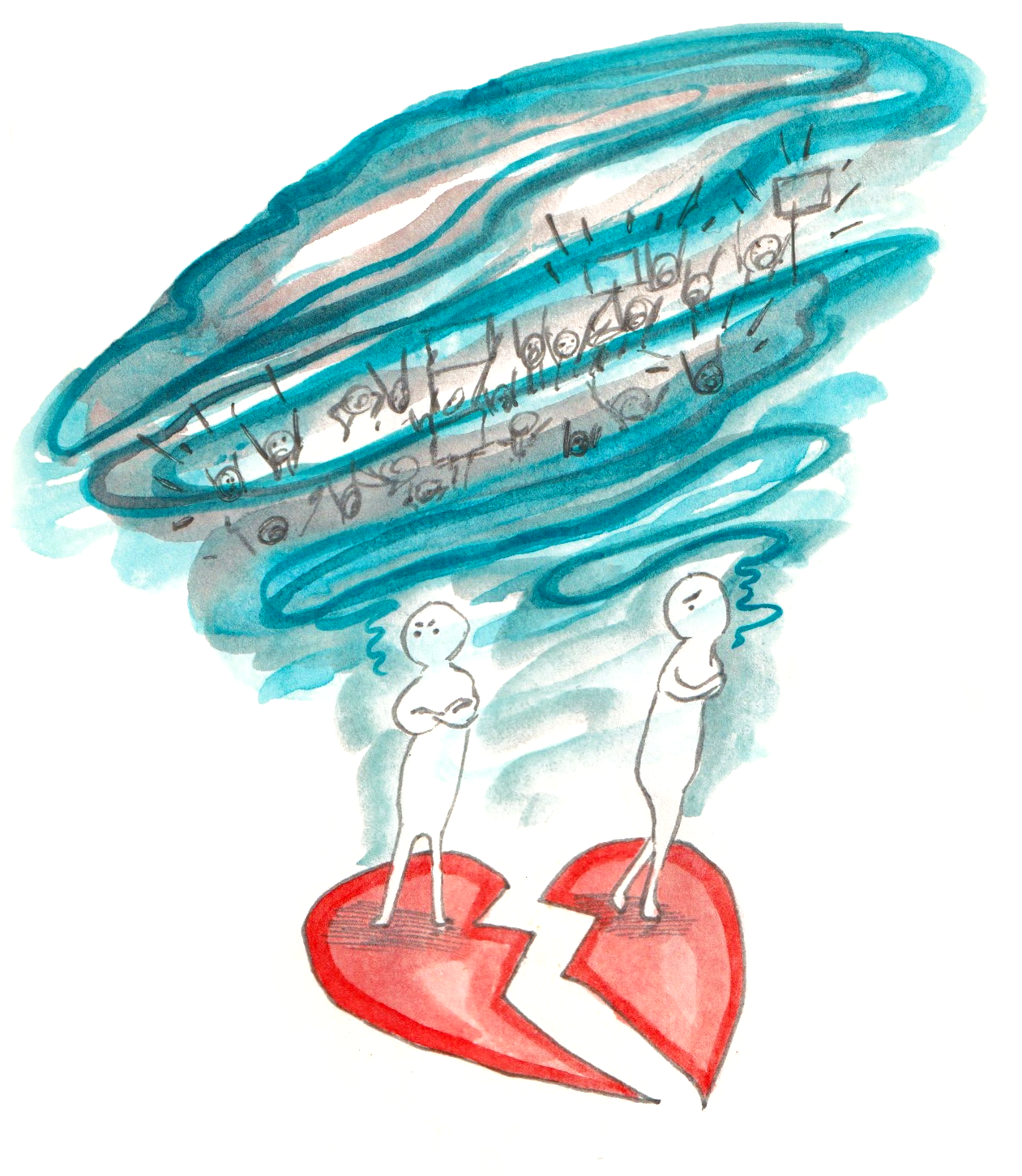
What We’re Here to Wonder:
What do we do when we find ourselves caught between conflicting worldviews? Many of us are working to build beloved community and a sense of solidarity, while some of our organizing strategies encourage an ‘us vs. them’ worldview. What happens when the ‘us vs. them’ mentality turns inward?
What should we do when the institutions that dominate movement work – such as non-profits and academia – are not designed to cultivate complexity or a sense of connection?
How are identities being weaponized, and by whom? Who benefits from this, and what are the consequences?
What are the benefits and risks of “standing up” to a cancellation? When is our responsibility to do so? How do we respond without replicating call-out culture?
How do we attend to our collective trauma without perpetuating binaries?
How do we further our abilities to listen to other perspectives and bridge commonalities?